
January 21, 2026
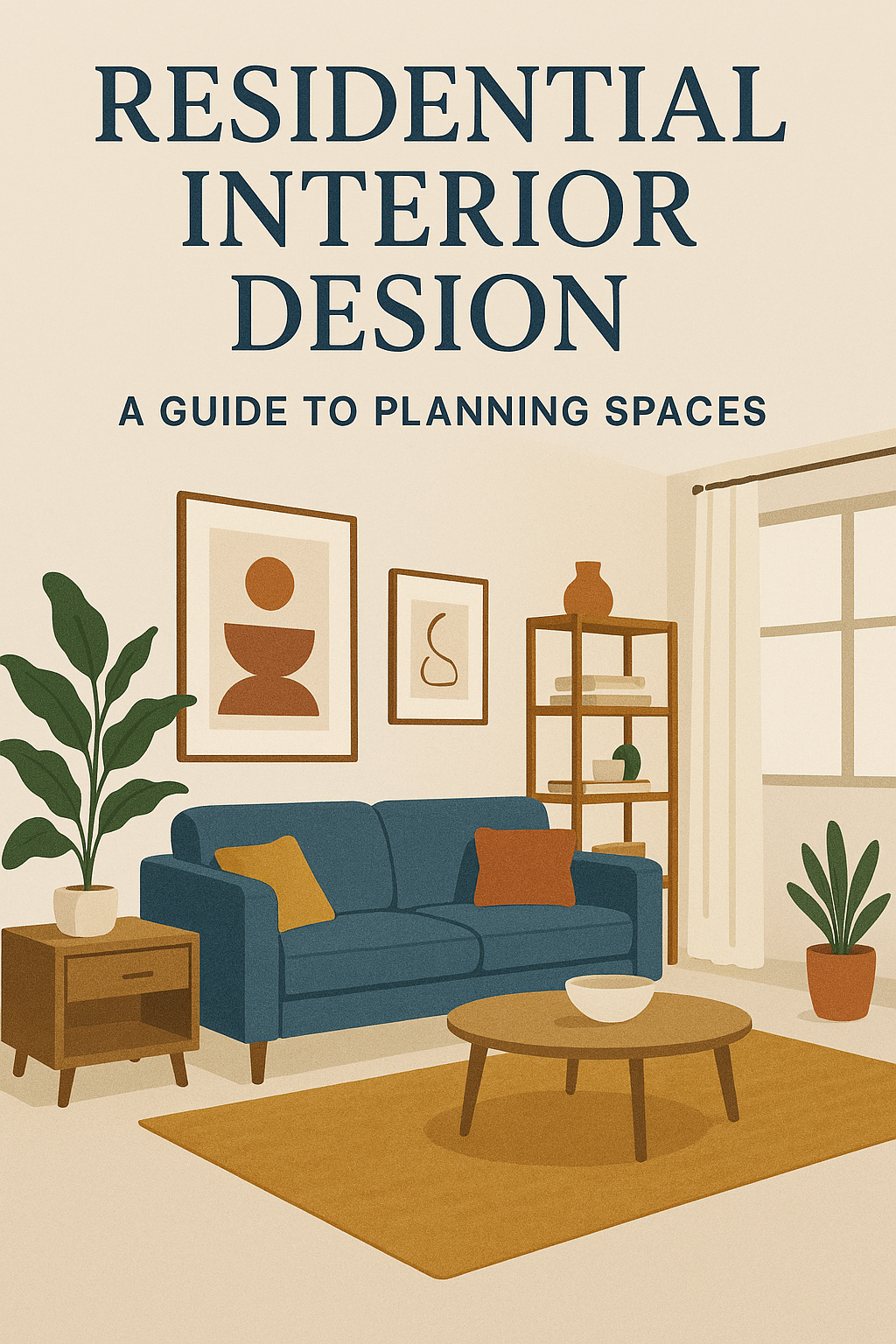
Residential interior design is more than choosing colors or stylish furniture—it’s about planning spaces that support daily life, comfort, and functionality. A well-planned home feels effortless to live in, where movement flows naturally and every area serves a purpose. This is where residential space planning becomes the foundation of successful interior design.
In this guide, we’ll explore what residential space planning is, why it matters, key principles to follow, and practical tips to help you design spaces that are both beautiful and functional.
Residential space planning is the process of organizing rooms, furniture, fixtures, and functional zones within a home to make the best use of available space. It considers how people live, move, and interact within a home.
Rather than filling rooms with furniture, space planning focuses on:
The goal is to create a home that feels organized, spacious, and comfortable—regardless of its size.
Effective space planning plays a critical role in how a home looks and feels. Its benefits include:
Each room has a clear purpose, making daily activities easier and more enjoyable.
Well-planned pathways allow smooth movement between rooms without obstacles.
Proper furniture placement improves usability and creates a more relaxing environment.
Balanced layouts make interiors feel cohesive, inviting, and uncluttered.
Homes with smart layouts and efficient use of space are more attractive to buyers.
A home is typically divided into zones:
Good space planning ensures these zones are clearly defined while maintaining a natural connection between them.
Clear circulation paths are essential. Furniture should never block walkways or door openings. Planning circulation early—using simple sketches or floor plans—helps avoid cramped or awkward layouts.
Furniture must suit the size of the room. Oversized pieces can overwhelm small spaces, while undersized furniture can make large rooms feel empty. Balance is key to creating visually pleasing interiors.
Modern homes often need to serve multiple purposes. Flexible layouts and multifunctional furniture allow spaces to adapt as lifestyles change.
Built-in storage, vertical shelving, and concealed cabinets help reduce clutter while maintaining a clean, open look.
Consider how you live and what you need:
Understanding priorities helps shape the layout.
Accurate measurements of walls, doors, windows, and ceilings ensure furniture fits properly and layouts remain functional.
Sketch rooms to scale using graph paper or digital tools. Mark doors, windows, and fixed elements to visualize possibilities.
Experiment with furniture arrangements and circulation paths. Adjust until the space feels comfortable and efficient.
Furniture with dual purposes—such as sofa beds, storage ottomans, or foldable tables—maximizes space, especially in smaller homes.
The kitchen is one of the most active areas in a home. Effective planning includes:
A well-planned kitchen saves time and reduces clutter.
Even small bathrooms can feel spacious with smart planning:
Avoiding these mistakes helps maintain balance and usability.
While DIY planning can be rewarding, professional interior designers bring expertise in layout planning, lighting, materials, and furniture selection. They help:
Professional guidance ensures your home works beautifully on every level.
Residential interior design begins with thoughtful space planning. By understanding how spaces function and applying key planning principles, you can create a home that feels comfortable, organized, and visually appealing—no matter its size.
Whether you’re designing a new home or renovating an existing one, effective space planning is the key to transforming your vision into a space that truly supports your lifestyle.